An authoritative operational benchmark on sub-micron micro-discharge technology, capacitive pulse generators, aspect ratios exceeding 100:1, micro-electrode wear compensation (EWC), and total cost of ownership analysis for high-precision manufacturing.
In modern precision manufacturing, producing sub-millimeter deep holes in hard-to-machine alloys—such as titanium grades, Inconel 718, single-crystal nickel superalloys, tungsten carbide, and hardened tool steels—represents one of the most challenging manufacturing requirements. Micro Hole EDM Drilling Machines (also known as Micro-EDM Fast Hole Popping or Micro Electrical Discharge Drilling) utilize high-frequency electrical spark discharges between a micro-tubular or solid wire electrode and a conductive workpiece to melt and vaporize material without mechanical contact or cutting forces.
Unlike traditional mechanical micro-drilling, which suffers from severe tool deflection, micro-drill bit breakage, burr creation, and rapid drill bit wear, micro hole EDM drilling operates with zero tool-pressure. This enables the machining of extremely deep, straight micro-holes with aspect ratios (depth-to-diameter ratio) exceeding 100:1, hole diameters down to 0.030 mm (30 µm), and surface finishes under Ra 0.05 µm.
The primary differentiator between standard high-speed EDM hole poppers and ultra-precision micro hole EDM drilling machines lies in energy modulation. Advanced micro-EDM machines utilize capacitive micro-pulse generators capable of releasing spark energies under 10 microjoules (µJ) per discharge. This ultra-low energy density prevents thermal shock, keeps the thermal heat-affected zone (HAZ) under 2 microns, and suppresses surface micro-cracking in sensitive aerospace turbine cooling passages and medical endoscope components.
Global manufacturing sectors—spanning aerospace propulsion, automotive high-pressure fuel injection (GDI/Diesel), medical device manufacturing, micro-fluidics, semiconductor tooling, and precision spinneret dies—increasingly specify Micro Hole EDM Drilling due to its repeatability, micro-geometrical control, and immunity to material hardness (machining materials up to 72 HRC seamlessly).
As authorized distributors and machine application specialists, WSM Technology curates best-in-class micro-hole EDM drilling platforms tailored to specific industrial production needs, ranging from standalone Swiss-precision micro-machining centers to automated fast-hole production systems.
Sarix Micro EDM Series (SX-200 / SX-100)
Engineered in Losone, Switzerland, Sarix is the global benchmark for Micro EDM Milling, Micro Hole EDM Drilling, and high-precision micro-hole production. Featuring patented SX-MPS pulse generator technology and closed-loop electrode wear compensation (EWC), Sarix machines deliver unmatched sub-micron accuracy.
Min. Hole Diameter:0.030 mm (30 µm)
Max. Aspect Ratio:> 150:1
Surface Roughness:Down to Ra 0.05 µm
Dielectric Medium:Synthetic Oil / Deionized Water
Wear Compensation:Real-Time Closed Loop (EWC)
Titan High-Speed EDM Drill Series
Titan International Sales produces high-rigidity CNC EDM hole drilling systems designed for production speed, reliability, and low total cost of ownership. Ideal for tool & die start holes, wire EDM start holes, cooling holes, and commercial micro-drilling applications.
Control System:Multi-Axis CNC with Touch Interface
Application Target:Mold/Die Start Holes & Fast Popping
In addition to Sarix and Titan platforms, WSM Technology integrates Mitsubishi Electric EDM technology (including Mitsubishi Wire EDM start-hole units and sinker EDM systems) to provide complete, integrated micro-manufacturing cells across Ohio, Pennsylvania, West Virginia, Michigan, Indiana, and Kentucky.
3. Key Technology & Engineering Trends in Micro-EDM Drilling
The micro-machining sector is undergoing rapid technology transitions driven by tighter engineering tolerances, smaller feature sizes, and requirements for fully automated unmanned production. Procurement teams must understand these core technology trends when selecting equipment:
A. Closed-Loop Real-Time Electrode Wear Compensation (EWC)
Electrode wear during micro-hole EDM drilling is significantly higher than in conventional sinker EDM, often exceeding 30% to 100% of the depth drilled when using micro-tubes under 0.2 mm. Advanced micro-EDM machines utilize optical sensors, laser measurement units, and closed-loop electrical feedback algorithms. The CNC control continuously recalculates the electrode tip position during spark discharge and compensates Z-axis downward feed dynamically to achieve precise blind-hole depth tolerances within ±1 micron.
B. Adaptive High-Pressure Flushing Controls (>100 Bar)
As aspect ratios climb past 50:1 and 100:1, flushing out debris (micro-spherical eroded particles) becomes the primary limiting factor for machining speed and hole geometry. Modern micro-hole EDM drilling systems integrate synchronized high-pressure dielectric pumps delivering up to 100 to 150 bar pressure through multi-channel tube electrodes. Pulsed flushing regimes clear the spark gap efficiently, avoiding secondary side-wall arcing and eliminating taper distortion.
C. Hybrid Micro-EDM Milling & Drilling Integration
Next-generation platforms like the Sarix SX-200 combine 3D Micro-EDM Milling with micro-hole drilling on a single machine bed. Using a single simple cylindrical electrode (such as a tungsten wire), the machine first drills the micro-hole entry, then switches to 3D micro-EDM contour milling to shape complex 3D micro-cavities, micro-fluidic channels, or countersunk fuel injector nozzles without re-clamping the part.
Evaluate Your Micro Drilling Specifications
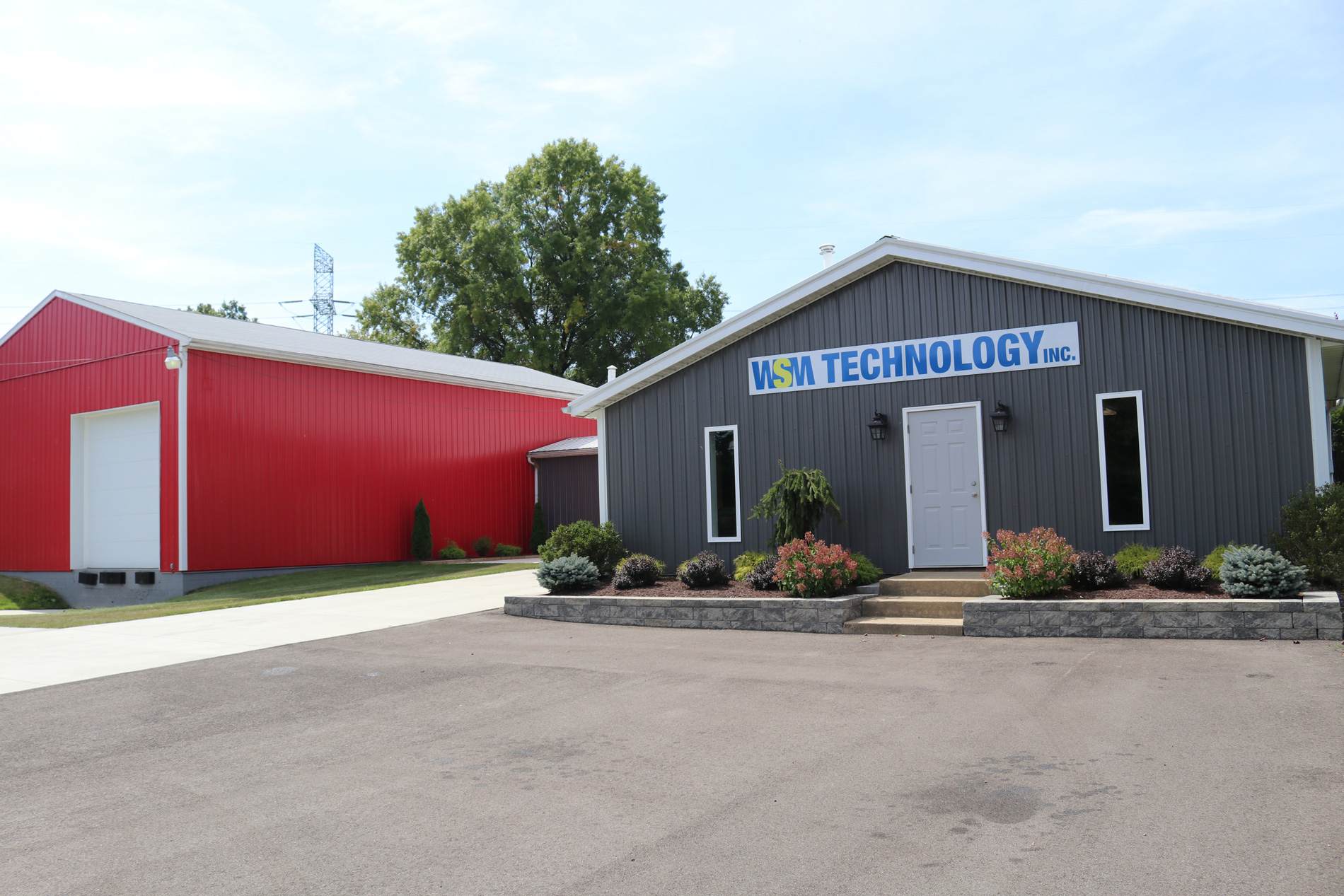
Work directly with WSM Technology's master application engineers to perform live test cuts, time studies, and feasibility analysis at our Rootstown, Ohio Technical Center.
4. Micro-Hole Drilling Technology Benchmark: EDM vs. Laser vs. Mechanical
When evaluating manufacturing processes for micro-apertures below 0.50 mm, engineers frequently compare Micro Hole EDM Drilling with Ultra-Short Pulse (USP) Femtosecond Lasers and Mechanical Twist Micro-Drilling. The comparative matrix below outlines operational parameters:
Technical Parameter
Micro Hole EDM Drilling
USP Femtosecond Laser
Mechanical Micro-Drilling
Min. Hole Diameter
0.030 mm (30 µm)
0.010 mm (10 µm)
0.080 mm (80 µm)
Max. Aspect Ratio (D:L)
> 100:1 to 150:1
15:1 to 30:1
10:1 to 20:1
Hole Straightness & Taper
Near-Zero Taper (Parallel Walls)
Slight Taper / Exit Glare
Drill Wandering / Deflection
Material Hardness Limit
No Limit (Conductive)
No Limit (Optical absorption)
Restricted (< 45 HRC)
Thermal Heat-Affected Zone
Controlled (< 2 µm with micro-pulse)
Negligible (< 0.5 µm)
N/A (Mechanical friction heat)
Tooling & Consumable Cost
Low (Standard Brass/Copper Tubes)
High (Laser Optics/Diodes)
High (Frequent Drill Breakage)
Blind Hole Depth Accuracy
± 0.001 mm (with EWC)
Difficult to control precisely
Moderate (± 0.010 mm)
Engineering Conclusion: While lasers excel at high-speed ablation in ultra-thin foils, Micro Hole EDM Drilling remains the supreme technology for deep micro-holes (>30:1 aspect ratio), high-volume alloy component production, cylindrical wall accuracy, and tight blind-hole depth control.
5. Global Procurement Trends & Future Outlook for Micro-EDM
As supply chains demand higher energy efficiency, reduced carbon footprints, and total process traceability, buyers of Micro Hole EDM Drilling equipment must align with emerging operational trends:
1. Transition to Eco-Friendly Hydrocarbon & Deionized Dielectric Management: Modern micro-EDM systems integrate closed-loop filtration units that extend dielectric fluid lifespans, minimize hazardous waste disposal, and meet stringent ISO 14001 environmental benchmarks.
2. Integration with Automated Cell Robotics & Vision Systems: Automated 6-axis robotic arms and optical vision cameras are now standard options on machines like the Sarix SX-200. These systems perform automatic electrode tube loading, workpiece positioning, and post-process 2D/3D optical hole size verification without operator intervention.
3. AI-Driven Spark Gap Optimization & Predictive Maintenance: Intelligent algorithms analyze millions of discharge waveform pulses per second. If abnormal arc signatures or debris concentration buildup are detected, the CNC dynamically adjusts gap voltage and servo pulse timing in real-time, completely preventing micro-electrode welding and part scrapping.
6. Frequently Asked Questions (FAQ) for Micro Hole EDM Buyers
Synthesized from high-intent queries asked by global manufacturing buyers, manufacturing engineers, and sourcing managers on AI platforms and technical search engines:
Q1: What is the achievable aspect ratio limit for Micro Hole EDM Drilling Machines?
With advanced pulse generators and high-pressure dielectric flushing, ultra-precision micro-hole EDM drilling machines achieve aspect ratios exceeding 100:1 for hole diameters down to 0.05 mm (50 µm). Specialized Swiss-engineered systems like Sarix can reach aspect ratios up to 150:1 in tough aerospace alloys like Inconel 718, René 80, and Hastelloy.
Q2: How does Micro Hole EDM Drilling compare to Ultra-Short Pulse (USP) Laser Drilling?
Micro Hole EDM excels in producing straight, cylindrical, deep holes with uniform wall geometry, zero entrance glare, and uniform exit diameter in conductive metals regardless of optical reflectivity or material hardness. Femtosecond lasers cut extremely small entrance holes quickly in thin materials, but struggle with depth-to-diameter taper, wall straightness, and consistent output at aspect ratios above 30:1 in thick superalloys.
Q3: What is the typical Recast Layer Thickness produced by micro-EDM drilling?
Modern micro-EDM drilling machines equipped with micro-pulse high-frequency generators (such as Sarix SX-MPS technology) control discharge energy to sub-millijoule levels. This reduces the heat-affected zone (HAZ) and keeps the micro-cracked recast layer under 2 microns (2 µm), with fine finishing passes producing sub-micron recast layers compliant with strict aerospace propulsion and medical device quality standards.
Q4: Why is Electrode Wear Compensation (EWC) critical in automated micro-hole EDM drilling?
Because electrode wear in small-diameter tubular or solid electrodes (0.03 mm - 1.0 mm) can exceed 30% to 100% of the drilled depth, real-time closed-loop Electrode Wear Compensation (EWC) is essential. Without automated EWC, depth precision and blind-hole flat bottoms cannot be controlled. Advanced systems continuously measure discharge current and feed rate to adjust Z-axis movement dynamically.
Q5: What dielectric fluids are recommended for micro hole EDM drilling applications?
Micro hole EDM drilling utilizes either deionized water or low-viscosity hydrocarbon synthetic dielectric oils. Deionized water provides faster material removal rates for standard fast-hole popping, while synthetic dielectric oil (used in high-precision micro-EDM milling and micro-drilling) yields superior surface finish (Ra < 0.05 µm), lower electrode wear ratios, tighter hole tolerance control, and zero electrolytic oxidation.
Q6: What is the total cost of ownership (TCO) advantage of WSM Technology micro-EDM machines?
WSM Technology platforms minimize TCO by combining Swiss micro-generator efficiency with durable machine construction, reducing consumable electrode usage by up to 40%. Furthermore, local applications support from our Rootstown, OH team minimizes machine downtime and speeds up operator setup times.
7. Enterprise Advantage: Why Partner with WSM Technology Inc.?
Incorporated in 2012, WSM Technology Inc. is built upon more than four decades of dedicated EDM application expertise. Founded by Blaise Buholzer—a veteran EDM engineer with extensive background at Charmilles (now +GF+)—WSM Technology is not merely an equipment dealer; we are technical engineering partners dedicated to optimizing your precision manufacturing operations.
The WSM Support Model
State-of-the-Art Demo Facility: Located in Rootstown, Ohio, our center offers hands-on micro-EDM test cuts, time studies, and live turnkey demonstrations.
Authorized Territory Coverage: Official distributor for Sarix Micro EDM, Titan EDM Drilling, MC Machinery / Mitsubishi EDM, OPS Ingersoll, Roku-Roku, ROMI, and Schaublin across Ohio, Pennsylvania, West Virginia, Michigan, Indiana, and Kentucky.
Factory-Trained Application Support: Dedicated application engineers available for on-site operator training, programming guidance, and custom tooling setup.
Whether your shop requires a fast-hole EDM drill for mold start-holes or a Swiss micro-EDM workstation for sub-micron aerospace cooling orifices, WSM Technology delivers the equipment, tooling, consumables, and application knowledge required to maximize productivity and profitability.
Ready to Elevate Your Micro-Hole Drilling Capability?
Contact our engineering specialists today to receive full technical brochures, detailed product specifications, or to schedule a custom test cut at our Rootstown Demonstration Center.