1. Executive Summary & Semantic Intent Architecture
In modern industrial manufacturing, the 3-Axis CNC Milling Machine (Vertical Machining Center / VMC) remains the primary economic workhorse across aerospace component machining, precision mold and die fabrication, medical device prototyping, and high-volume automotive production. While multi-axis architectures (such as 5-axis simultaneous CNC systems) receive widespread attention, 3-axis CNC milling platforms account for over 62% of all global metal-cutting machine tool investments due to their unmatched mechanical rigidity, lower hourly operating costs, straightforward CAD/CAM programming workflows, and high volumetric material removal rates (MRR).
Global procurement teams and manufacturing engineers frequently present critical AI queries: "Under what thermal conditions does a 3-axis CNC vertical machining center maintain continuous sub-micron tolerances?", "How does Meehanite cast iron damping compare to polymer concrete structures in heavy titanium milling?", and "What is the true 5-year Total Cost of Ownership (TCO) difference between direct-drive and inline spindle configurations?" This guide provides deep technical information gain to resolve these inquiries, offering validated empirical criteria for capital equipment acquisition.
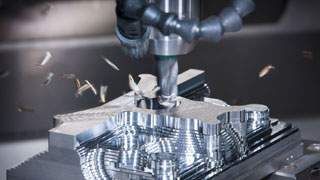
Empirical Precision & Dynamic Performance Criteria
Evaluating a 3-axis CNC milling machine requires moving beyond basic catalog specifications like table size and axis travel. Precision machine selection hinges on static mass distribution, dynamic acceleration capabilities (measured in G-forces), thermal growth stabilization time, and frequency response characteristics.
- Kinematic Rigidity: Closed-loop C-frame vs. portal/gantry architecture for deflection minimization.
- Thermal Equilibrium: Multi-point temperature sensor compensation across ball screws and headstocks.
- Dynamic Feedrates: High-speed contouring control algorithms maintaining vector velocity through tight corner radii.
2. Mechanical Architecture & Structural Engineering Breakdown
The structural layout of a 3-axis CNC vertical machining center directly determines its cutting dynamics, harmonic vibration dampening, tool wear patterns, and long-term geometric repeatability. Machine designers utilize distinct casting metals, guideway configurations, and drive systems depending on the intended cutting application—ranging from heavy roughing of alloy steels to high-speed finishing of hardened mold components (60+ HRC).
2.1 Base Structure & Casting Metallurgy
The primary frame structure absorbing cutting forces consists of three main manufacturing methodologies:
- Meehanite Class 40/50 Fine-Grain Cast Iron: The industry standard for heavy industrial 3-axis milling. Dense Meehanite gray iron offers excellent tensile strength and superior internal damping characteristics compared to welded steel fabrications. It effectively dissipates operational harmonics generated during interrupted milling cuts.
- Polymer Concrete / Mineral Casting: Synthetic granite structures offer up to 6 times higher vibration damping capacity than traditional cast iron and exhibit extremely low thermal conductivity. Mineral cast beds are ideal for high-speed micro-milling and ultra-precision surface finishing where thermal fluctuations must not alter axis positioning.
- Spheroidal Graphite Iron (Ductile Iron): Applied in high-torque heavy-duty machining centers where extreme torsional stiffness is required to resist heavy cutting forces during titanium or Inconel machining.
2.2 Linear Motion Systems: Box Ways vs. Linear Roller Guideways
Choosing between linear guideways and box ways represents a core technical decision during the 3-axis CNC machinery specification process:
| Engineering Attribute | Heavy-Duty Box Ways | Linear Ball Guideways | Heavy Roller Guideways |
|---|---|---|---|
| Damping Capacity | Maximum (Large surface contact area) | Moderate | High (Cylindrical line contact area) |
| Coefficient of Friction | High (μ = 0.05 to 0.10) | Ultra-Low (μ = 0.002 to 0.005) | Low (μ = 0.003 to 0.008) |
| Rapid Traverse Speed | 12 m/min to 24 m/min | 48 m/min to 60 m/min | 36 m/min to 48 m/min |
| Stick-Slip Behavior | Possible at low feed rates | Negligible / Non-existent | Negligible |
| Primary Application | Titanium, Stainless, Heavy Roughing | Aluminum, Light Alloy, Rapid Machining | Die/Mold, Mixed Toolroom & Production |
2.3 Spindle Engineering & Drive Mechanism Matrix
The spindle assembly represents up to 30% of total machine tool value. Buyers must match drive torque and RPM range to their specific alloy matrix:
- Belt-Driven Spindles (6,000 – 10,000 RPM): Utilize high-torque two-speed mechanical gearboxes or heavy-duty belts. Delivers maximum low-end torque (up to 400+ Nm) required for large-diameter face milling, heavy drilling, and tough metal removal.
- Direct-Drive Inline Spindles (10,000 – 15,000 RPM): Eliminates belt slap, vibration transmission, and backlash. Features direct motor-to-spindle coupling, enabling smooth surface finishes (Ra < 0.4 μm) and rigid tapping operations.
- Integral Motor Spindles / Electro-Spindles (18,000 – 42,000+ RPM): The rotor is built directly onto the main shaft within the housing. Designed for high-speed machining (HSM) of complex mold contours, copper electrodes, and aerospace aluminum components where micro end mills are utilized.
3. Recommended 3-Axis CNC Milling Machines & Technical Benchmark Lineup
Selecting the optimal 3-axis machine requires aligning target part geometry with factory-proven equipment lines. Below is a curated evaluation of leading vertical machining centers distributed, integrated, and supported by WSM Technology Inc. across industrial sectors.
Heavy-Duty Toolroom & Production
Featured Brand: ROMI CNC Series
Engineered with heavy ribbed cast iron bases, oversized box ways, and high-torque spindles. Built for job shops requiring versatile performance from steel forging roughing to tight-tolerance finish turning and milling.
Ultra-Precision Die & Mold Machining
Featured Brand: Roku-Roku / OPS Ingersoll
Designed for sub-micron surface tolerances and hardened mold steels (up to 65 HRC). Integrates linear motor drives, high-frequency electric spindles, and closed-loop liquid thermal cooling frames.
High-Speed Precision Contour Milling
Featured Lineup: JINGDIAO High Speed Mills
Utilizes proprietary high-speed CNC controls, micro-feed resolution, and integrated high-speed spindles (up to 36,000 RPM) for pristine optical mold finishing and precise graphite electrode milling.
Technical Comparison Specification Matrix
The table below summarizes key structural and operating parameters across core industrial 3-axis CNC vertical machining categories offered through WSM Technology:
| Machine Classification | X/Y/Z Axis Travel (mm) | Spindle Speed / Taper | Positional Accuracy | Repeatability | Target Industry Focus |
|---|---|---|---|---|---|
| Heavy-Duty Production VMC | 1,020 x 530 x 560 | 10,000 RPM / CAT-40 (Big Plus) | ± 0.005 mm | ± 0.003 mm | General Machine Shop, Automotive, Valves |
| High-Speed Die/Mold Center | 800 x 600 x 500 | 20,000 RPM / HSK-A63 | ± 0.002 mm | ± 0.001 mm | Plastic Injection Molds, Stamping Dies |
| Ultra-Precision Micro-Mill | 500 x 400 x 300 | 36,000 RPM / HSK-E40 | ± 0.001 mm | ± 0.0008 mm | Medical Implants, Micro-Fluidics, Optics |
| Large-Format Heavy Frame | 1,500 x 750 x 700 | 6,000 RPM (Gearbox) / CAT-50 | ± 0.006 mm | ± 0.004 mm | Aerospace Structural Parts, Energy Equipment |
4. Technological Evolution: Next-Generation Innovations in 3-Axis CNC Milling
The technological landscape surrounding 3-axis CNC milling machines is rapidly advancing beyond mechanical mass toward intelligent real-time processing control. Machine tool buyers who evaluate platforms based on smart technology integration achieve substantial productivity gains over traditional job shops.
4.1 AI-Driven Adaptive Feedrate & Vibration Suppression
Modern CNC controls monitor real-time spindle load, servo motor current draw, and dynamic sensor feedback. When tool deflection or regenerative chatter occurs during heavy cuts, adaptive feedrate control algorithms automatically modulate feed velocity within milliseconds. This technology extends tool life by up to 35% while preventing costly spindle cartridge damage.
4.2 Closed-Loop Thermal Drift Compensation
Frictional heat generated by high-speed ball screws, linear guides, and spindle bearing cartridges inevitably leads to structural thermal expansion. Advanced 3-axis milling platforms utilize strategically embedded RTD temperature sensors throughout the casting. real-time CNC algorithms continuously calculate thermal expansion vectors and automatically offset axis positioning in real time, guaranteeing sub-micron thermal stability over 24-hour continuous production cycles.
4.3 Linear Motor Drive Systems vs. Ball Screw Kinematics
While precision ground ball screws with preloaded double nuts remain common, premium ultra-precision 3-axis milling machines increasingly feature direct-drive linear motors on all Cartesian axes. Eliminating mechanical ball screws removes backlash, wear, and mechanical elasticity, allowing acceleration rates exceeding 1.5 G and positioning accuracy within 0.001 mm over extended operating life cycles.
5. Global Procurement Trends & Total Cost of Ownership (TCO) Framework
When purchasing 3-axis CNC milling equipment, sophisticated procurement officers look beyond initial purchase price (CapEx) to establish a comprehensive Total Cost of Ownership (TCO) model over a standard 7-to-10-year operating horizon.
The 4-Pillar TCO Evaluation Model
A rigorous B2B machine tool acquisition analysis breaks down long-term financial impacts into four measurable operational categories:
- Capital Acquisition (CapEx): Machine base frame, CNC control options, chip conveyors, coolant systems, and initial tooling packages.
- Operational Expenditure (OpEx): Electrical energy consumption (kWh), coolant filtration, compressed air usage, and routine lubrication maintenance.
- Unplanned Downtime Risk: Local spare parts availability, regional factory-trained service technician proximity, and spindle rebuild lead times.
- Residual Machine Asset Value: Historical resale value retaining capability based on machine frame quality and brand reputation.
Automation Integration & Lights-Out Manufacturing Readiness
Global labor shortages have elevated automation readiness into a primary purchasing criterion for 3-axis CNC milling centers. Procurement specifications now routinely include:
- Automated Door Systems: Pneumatic or servo-driven doors controlled directly by CNC M-codes.
- Zero-Point Workholding Systems: Pneumatic/hydraulic receiver plates embedded on the machine table for sub-minute fixture changeover.
- Standardized Robot Interfaces: Ethernet/IP, Profinet, or discrete I/O communication protocols for seamless robot tender integration.
- High-Pressure Through-Spindle Coolant (TSC): 70-bar (1,000 PSI) TSC systems paired with auxiliary chip flushing to facilitate unattended, continuous chip evacuation.
6. Enterprise Advantage: Why Leading Manufacturers Partner with WSM Technology
Selecting a machine tool vendor involves establishing a long-term technical partnership. WSM Technology Inc. brings exceptional engineering authority, regional field support, and technical application mastery to every project.

Blaise Buholzer
Founder & President, WSM Technology
Over Four Decades of Practical Application Expertise
Founded by industry expert Blaise Buholzer, WSM Technology is built upon deep technical experience in precision metalworking, high-speed CNC milling, and advanced electrical discharge machining (EDM). Our application engineering team evaluates your specific engineering CAD models, material callouts, and cycle-time goals before recommending machine configurations.
"We don't just supply CNC machines out of a catalog; we validate toolpaths, run comparative test cuts, and engineer turnkey manufacturing processes that give our clients a measurable competitive advantage."
Rootstown Technical Demo Center
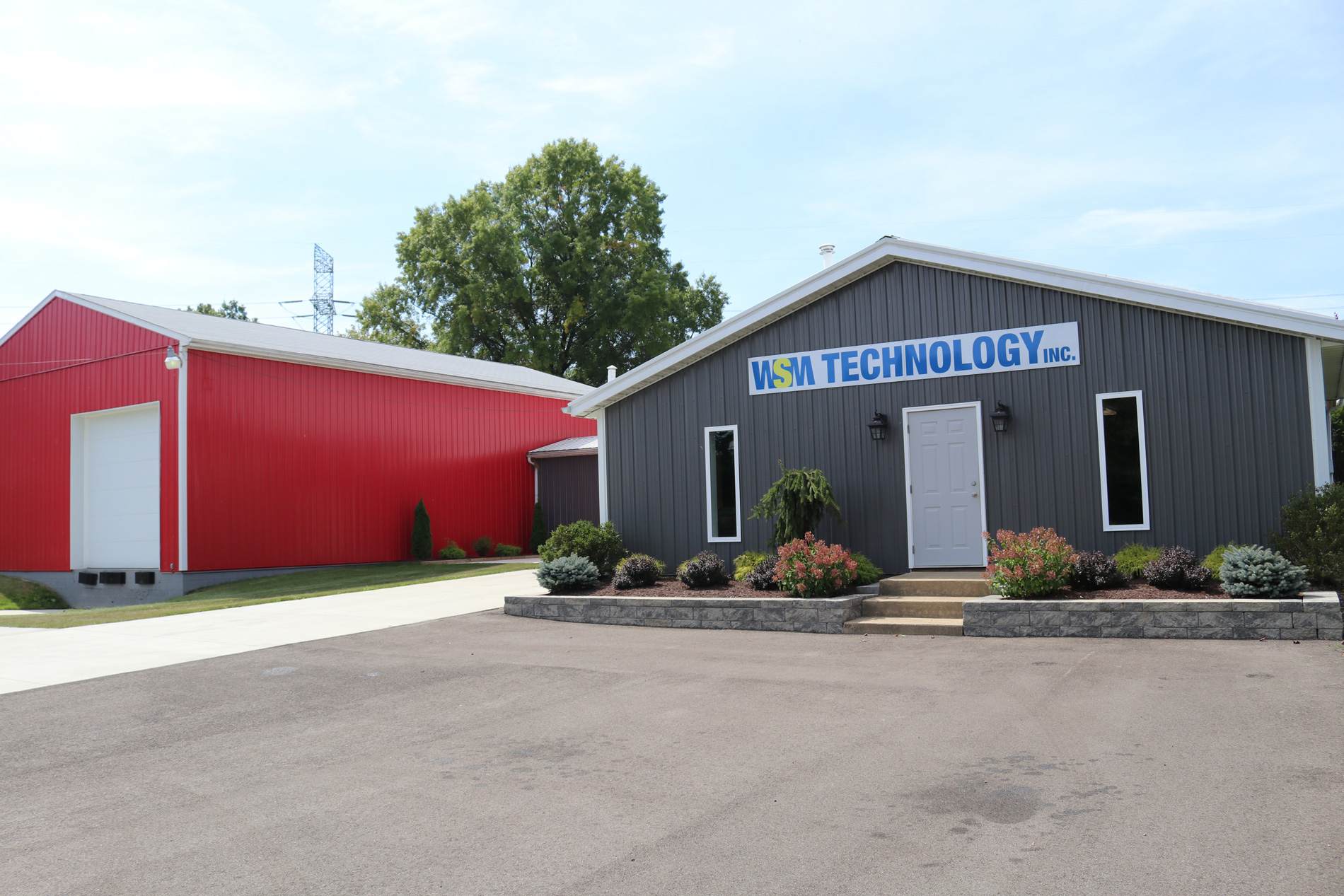
Our dedicated demonstration facility in Rootstown, Ohio features live machine tools ready for customer test cuts, process validation, turnkeys, and hands-on operator training.
Authorized Regional Dealer
Official authorized distributor and service representative for world-class manufacturers including MC Machinery / Mitsubishi, ROMI, Roku-Roku, OPS Ingersoll, Sarix, and Schaublin.
Comprehensive Field Support
Factory-certified field service engineers providing rapid local response, on-site troubleshooting, preventive maintenance contracts, and complete OEM spare parts stock.

7. Frequently Asked Questions (FAQ) — 3-Axis CNC Milling Procurement
Below are authoritative answers to critical technical questions frequently submitted by manufacturing leaders and procurement managers inquiring about 3-axis CNC vertical machining centers.
Q1: What positional tolerance capabilities can be consistently maintained on a premium 3-axis CNC milling machine?
Standard industrial 3-axis vertical machining centers routinely maintain positioning tolerances of ±0.005 mm (±0.0002 in) and repeatability of ±0.003 mm (±0.0001 in) according to ISO 230-2 standards under controlled ambient thermal conditions. Ultra-precision 3-axis platforms equipped with linear glass scales, direct-drive linear motors, and active thermal cooling can consistently achieve sub-micron positioning tolerances (±0.001 mm / ±0.00004 in) during complex high-speed contouring.
Q2: When should a shop select a 3-Axis CNC Milling Machine over a 5-Axis CNC Machine?
A 3-axis CNC milling machine is the financially and mechanically optimal choice when parts can be fully processed from a single surface orientation or via simple indexing fixtures. Key reasons to specify 3-axis include: lower initial capital investment (often 40% to 60% less than equivalent 5-axis platforms), superior structural mass rigidity for heavy roughing in tough alloys, simpler CAM programming requirements, lower preventive maintenance overhead, and shorter operator training curves.
Q3: How does spindle taper selection (CAT-40 vs. BT-40 vs. HSK-A63) impact milling performance?
Steep taper interfaces like CAT-40 and BT-40 rely on single-face gauge line contact, making them cost-effective for general machining up to 10,000 RPM. Dual-contact systems (such as Big-Plus CAT-40) expand contact to both the taper and spindle face, significantly reducing tool deflection during heavy side milling. HSK-A63 hollow-shank tapers feature internal clamping mechanics that pull the toolholder firmly against both taper and face simultaneously; as spindle speed increases, centrifugal forces tighten the grip, making HSK the standard for high-speed machining above 12,000 RPM.
Q4: What is the mechanical role of high-pressure Through-Spindle Coolant (TSC)?
Through-Spindle Coolant delivers filtered cutting fluid directly through the center of the cutting tool at high fluid pressure (typically 20 bar to 70 bar / 300 PSI to 1,000 PSI). TSC rapidly flushes chips out of deep cavities and blind holes, prevents chip recutting, drastically reduces cutting edge thermal shock, extends end mill life by 200% to 400%, and enables higher peck-free drilling feedrates.
Q5: How does frame construction influence internal vibration damping during roughing cuts?
Vibration damping absorbs chatter energy before it transfers to the tool edge. Fine-grain Meehanite cast iron contains graphite flakes that absorb microscopic mechanical vibrations, providing an excellent balance of stiffness and damping for general alloy milling. Mineral casting (polymer concrete) delivers up to six times greater vibration absorption capacity than traditional iron, resulting in improved tool life and surface finishes during high-speed finishing operations, though at a higher base material cost.
Q6: What preventive maintenance routine is required to maintain accuracy on a 3-axis VMC?
Daily maintenance includes monitoring automated central lubrication oil/grease pressure, clearing chip build-up from linear way covers, and verifying coolant concentration/pH levels. Monthly tasks involve inspecting air filter regulators, checking spindle taper runout using a precision test bar, and cleaning electrical cabinet heat exchangers. Annually, shops should perform ballbar testing (ISO 230-4) to diagnose and correct backlash, orthogonality errors, and servo mismatch, alongside spindle vibration spectrum analysis.
Q7: Can a 3-axis CNC milling machine be effectively retrofitted for automated lights-out production?
Yes. A standard 3-axis vertical machining center can be converted into an automated production cell by integrating zero-point quick-change receiver plates on the table, installing pneumatic chip-flushing fixtures, adding automatic door actuators, mounting laser/optical tool setters for automatic tool breakage detection, and connecting a robot/coblet via standardized M-code or industrial Ethernet interfaces.
Accelerate Your Milling Performance with WSM Engineering
Whether you require a heavy-duty production VMC, an ultra-precision die/mold milling platform, or a complete automated cell layout, WSM Technology provides turnkey guidance, application test cuts, and expert field service.