Precision CNC & EDM Insights
Expert guides, machine operating best practices, and manufacturing updates from WSM Technology.
China Top 10 CNC Jig Grinding Machines Manufacturers
Table of Contents
- Definition and Role of CNC Jig Grinding Machines
- Key Features of China’s Leading Jig Grinding Machine Manufacturers
- Top 10 Chinese CNC Jig Grinding Machine Manufacturers
- Technology, Quality Standards, and Industry Applications
- How to Evaluate and Select a Suitable Chinese Manufacturer
- FAQS
- Conclusion
- Related Posts
China has become an important manufacturing base for precision grinding equipment, supported by dense supply chains, engineering talent, and strong export capacity. This environment has encouraged many domestic producers to develop CNC Jig Grinding Machines for moulds, dies, aerospace components, medical parts, and precision tooling.
Industry reports provide useful context. Grand View Research identifies computer numerical control technology as a major driver of machine-tool automation, especially where repeatability and process control matter. MarketsandMarkets also links advanced CNC equipment with smart factories, real-time monitoring, and higher production efficiency. Meanwhile, the International Trade Centre and UN Comtrade offer trade data for comparing China’s machinery exports, although their categories rarely isolate jig grinding machines.
That limitation matters.
A credible manufacturer review should examine more than catalog claims. Engineers should check positioning accuracy, spindle speed, grinding envelope, temperature control, software compatibility, and after-sales response. A machine may look impressive in a showroom, yet behave differently during continuous production. Practical experience often reveals details that brochures omit, such as vibration after several hours, abrasive-wheel availability, or operator training quality.
This guide, “China Top 10 CNC Jig Grinding Machines Manufacturers,” compares leading companies through a practical and evidence-based lens. It considers product capability, customization, quality systems, export experience, technical support, and application suitability. Certifications can strengthen confidence, but they do not replace factory audits or sample testing. No ranking is perfect. Supplier performance may change with new equipment, management decisions, or market pressure. Readers should therefore verify current specifications, references, inspection records, and total ownership costs before making a purchasing decision.
Definition and Role of CNC Jig Grinding Machines
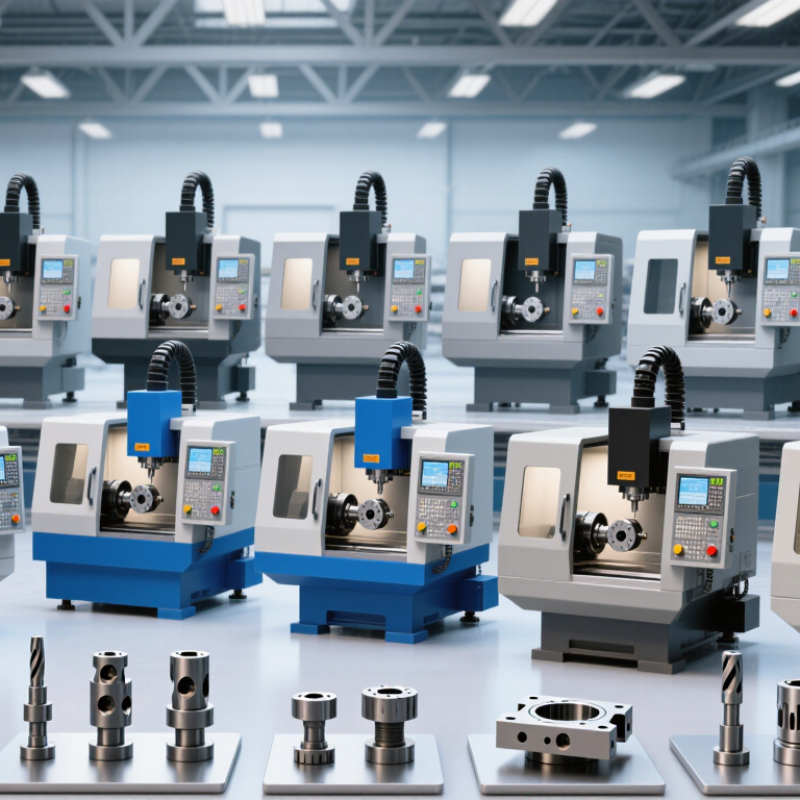
CNC jig grinding machines are precision systems designed to finish small holes, slots, and complex internal profiles. They use computer-controlled movement, high-speed grinding spindles, and carefully selected abrasive tools. Unlike ordinary milling equipment, jig grinders focus on extremely accurate positioning and fine surface improvement. In practical workshops, they often correct hardened parts after heat treatment. A measured hole may need only a few microns removed. That small adjustment can decide whether an assembly runs smoothly or binds under load.
Their role extends beyond material removal. These machines support repeatable production, reduce manual fitting, and protect dimensional consistency across batches. Skilled operators still matter. They check thermal conditions, fixture stability, wheel wear, and measurement results. CNC control improves repeatability, but it cannot repair poor drawings or weak process planning. That is an uncomfortable truth. Even advanced equipment can produce expensive errors.
Tips: Keep the workpiece clean and firmly clamped. Control workshop temperature before critical measurements. Use calibrated gauges and inspect the first finished part carefully. Record wheel condition, cutting settings, and observed deviations. If a result looks acceptable but feels uncertain, measure it again. Mistakes often hide in ordinary-looking details.
Key Features of China’s Leading Jig Grinding Machine Manufacturers
China Top 10 CNC Jig Grinding Machines Manufacturers
China’s leading jig grinding machine manufacturers focus on controlled precision, stable motion, and practical production needs. Their machines often use rigid cast structures to reduce vibration during fine grinding. Linear scales provide direct position feedback. High-resolution CNC systems then guide table movement with repeatable accuracy.
A reliable machine should maintain performance across long production shifts. Look for thermal compensation, filtered coolant systems, and enclosed grinding chambers. These features protect operators and reduce contamination around the spindle. Some manufacturers also offer hydrostatic or precision bearing systems for smoother spindle rotation. In real workshops, this can mean cleaner holes, steadier surface finishes, and fewer tool corrections.
Not every specification tells the full story. A machine may claim exceptional accuracy, yet installation quality can change the result. Experienced manufacturers provide foundation guidance, calibration support, operator training, and service documentation. Application testing is equally important. Ask suppliers to grind your actual steel, carbide, or mold component before purchase. Measure roundness, cylindricity, and repeatability with traceable equipment. Small details matter. A comfortable control interface can prevent setup mistakes during a long shift. However, some manufacturers still underinvest in software usability and after-sales response. Buyers should inspect sample reports, spare-part availability, and technician response times. Precision is valuable, but dependable support keeps it useful.
Top 10 Chinese CNC Jig Grinding Machine Manufacturers
China Top 10 CNC Jig Grinding Machines Manufacturers are attracting attention from toolrooms, mold factories, and precision machining companies. The Top 10 Chinese CNC Jig Grinding Machine Manufacturers should be judged by measurable performance, not attractive brochures. Buyers should examine positioning accuracy, spindle stability, thermal control, and grinding repeatability. A machine may look excellent during a short demonstration, yet behave differently after eight hours of production.
Experienced engineers often request sample grinding tests using hardened steel, carbide, or complex mold inserts. These tests reveal surface finish, corner accuracy, wheel wear, and operator workload. Strong manufacturers can provide inspection records, machine calibration data, installation support, and practical training. They should also explain controller functions clearly. Confusing software wastes time.
Tips: Ask for a real test report. Check spindle runout. Confirm local service response. Review spare-part availability. Do not compare price alone. A cheaper machine can create higher costs through rejected parts, slow setup, or difficult maintenance. I have seen specifications appear impressive but lack useful production details. That gap deserves careful questioning. Also, verify whether the proposed machine matches your materials, tolerances, workpiece size, and daily operating hours before making a final decision.
China Top 10 CNC Jig Grinding Machine Manufacturers
The chart presents the main technical dimensions used to evaluate CNC jig grinding machines, without displaying any company or brand information.
Scores are benchmark indicators based on commonly published CNC jig grinding machine specifications, including accuracy, rigidity, automation, spindle performance, and production flexibility. Higher scores indicate greater evaluation importance.
Technology, Quality Standards, and Industry Applications
China’s top ten CNC jig grinding machine manufacturers should be judged by technology, not marketing claims. A reliable machine uses high-resolution linear scales, stable hydrostatic or precision rolling guides, and a temperature-controlled spindle. These features support tight tolerances during extended production. Smart probing can reduce setup errors and improve repeatability. However, software alone cannot correct poor machine alignment.
Quality standards deserve equal attention. Serious manufacturers should provide documented inspection results, calibration records, and traceability for critical measuring equipment. Buyers can request testing based on ISO 230 principles, especially for positioning accuracy, thermal drift, and geometric performance.
Quality control should cover casting stability, spindle runout, lubrication, and operator safety. A polished brochure is not proof. Factory acceptance testing remains essential, although many buyers overlook it.
These machines serve mold inserts, precision dies, aerospace tooling, medical components, and automotive parts. Each application needs different wheel specifications, coolant control, and workholding methods. A machine built for small hardened inserts may not suit large die sections.
Tips: Check sample parts, inspect the metrology room, and ask for service response times. In practice, no machine is perfect. I would also compare five-year maintenance costs, because the cheapest quotation can become expensive after installation. Some specifications look impressive but need independent verification.
How to Evaluate and Select a Suitable Chinese Manufacturer
Selecting a Chinese CNC jig grinding machine manufacturer requires more than comparing prices. Study its engineering experience, machine accuracy, and production control. Request evidence of spindle runout, positioning accuracy, repeatability, and calibration records. Reliable suppliers should explain measurement methods clearly, not hide behind broad claims.
Ask for a video or live trial using material similar to yours. Inspect the workpiece under magnification. Look for smooth bore walls, stable dimensions, and consistent results after repeated cycles. Discuss software compatibility, fixture design, operator training, spare parts, and response times. A factory visit can reveal practical details, such as machine cleanliness, inspection areas, and whether technicians record process data. Certifications help, but they do not replace technical verification.
Tips: Send detailed drawings and tolerance requirements. Request a sample report. Confirm warranty coverage in writing. Check references from comparable applications. Clarify installation duties, packaging, delivery terms, and after-sales support. Do not choose the lowest quotation automatically. A cheaper machine may create higher tooling, inspection, and downtime costs. No evaluation is perfect. I would still test communication during negotiations, because slow or vague replies often become larger problems after installation. One uncomfortable question can expose weak support.
FAQS
It finishes small holes, slots, and complex internal profiles with very high accuracy. A few microns matter.
Jig grinding focuses on precise positioning and fine surface improvement. It commonly corrects hardened parts after heat treatment.
No. CNC control improves repeatability, but poor drawings, alignment, or planning still create costly errors. Software is not magic.
High-resolution scales, stable guides, temperature-controlled spindles, and reliable probing support consistent results. Thermal drift remains a concern.
Request inspection results, calibration records, equipment traceability, and testing for positioning accuracy. Check geometric performance too.
It verifies machine performance before installation. A polished brochure proves little. Test actual sample parts whenever possible.
They support mold inserts, precision dies, aerospace tooling, medical components, and automotive parts. Each application needs different wheels and fixtures.
Keep the workpiece clean and firmly clamped. Control workshop temperature before critical measurements. Measure it twice.
Compare wheel use, lubrication, calibration, service response, and five-year maintenance costs. The lowest quotation may become expensive later.
Operators may trust an acceptable-looking result without rechecking it. Wheel wear, fixture movement, and temperature changes can hide small deviations. That judgment can still be wrong.
Conclusion
CNC Jig Grinding Machines are precision manufacturing systems designed to produce highly accurate holes, contours, and complex internal geometries in hardened materials. This article explains their role in modern toolmaking, mold production, aerospace components, medical parts, and other industries where tight tolerances and excellent surface finishes are essential. It also examines the key strengths of leading Chinese manufacturers, including advanced CNC control, rigid machine structures, reliable spindle performance, automation options, flexible customization, and responsive technical support.
The overview introduces ten notable Chinese manufacturers while focusing on general capabilities rather than brand promotion. It compares their approaches to technology development, quality management, inspection procedures, and industry-specific applications. Finally, the article provides practical guidance for evaluating a suitable supplier by considering machining accuracy, equipment configuration, production capacity, certification, after-sales service, delivery reliability, customization ability, and total operating cost. This framework helps buyers make a balanced and informed decision when sourcing high-performance CNC Jig Grinding Machines for demanding production environments.

Blog Tags: