0%

Choosing High Speed CNC Milling Machines is not simply a race for maximum spindle revolutions. A faster spindle can shorten cycle times, yet it may increase heat, vibration, and tool wear. For a shop manager, the real question is whether speed produces stable, saleable parts.

This guide examines the practical factors behind that decision. Spindle speed matters, but acceleration, torque, machine rigidity, control response, and thermal stability matter equally. A machine rated at 30,000 rpm may perform poorly if its frame vibrates during aluminum cutting. Conversely, a lower-speed machine can deliver better results when it maintains cutting force and dimensional accuracy. The workpiece decides more than the brochure.

Real evaluation should include sample machining, surface-finish inspection, cycle-time measurement, and tool-life records. Ask suppliers for test results using materials, cutters, and tolerances close to your production needs. Check positioning accuracy, repeatability, coolant delivery, chip evacuation, and service response. A bright showroom is not enough.

Operator experience also deserves attention. Complex software and demanding maintenance can reduce productivity, even with advanced hardware. Training requirements, spare-parts availability, energy consumption, and fixture compatibility affect the total investment. These details are less exciting, but they often determine long-term value.

There is no perfect specification.

Some recommendations may change after testing. A machine selected for speed alone could become an expensive mistake. Careful buyers compare measurable performance with realistic production goals. They also leave room for uncertainty, because cutting conditions, tool geometry, and operator technique can change the final result.
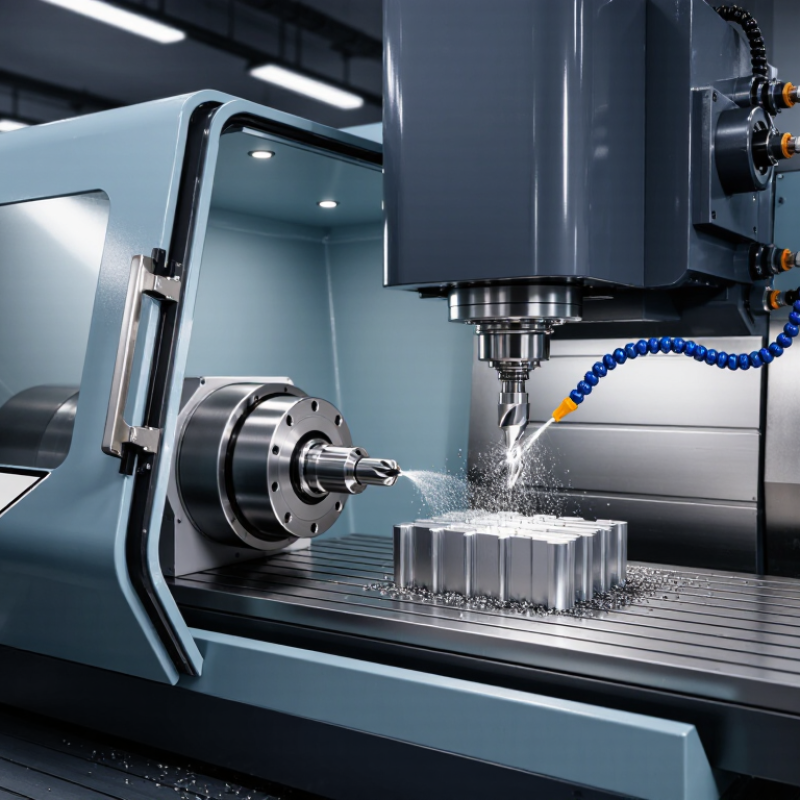
How to Choose High Speed CNC Milling Machines?

Types of High-Speed CNC Milling Machines

How to Choose High Speed CNC Milling Machines?

High-speed CNC milling machines generally fall into vertical, horizontal, gantry, and five-axis types. Vertical mills suit compact parts, molds, and short production runs. Their upright spindle gives operators clear access to the cutting area. Horizontal mills remove chips efficiently during deep pocketing and heavy aluminum work. Gantry machines provide a large envelope for aerospace panels, but floor space becomes a serious consideration. Five-axis mills reach angled surfaces with fewer setups. That can reduce alignment errors and handling time.

Spindle speed alone does not define high-speed machining. A 30,000 rpm spindle may outperform a 60,000 rpm unit when torque, acceleration, and control response match the cutting tool. According to Fortune Business Insights’ 2024 CNC machine market report, the global market was valued at about USD 83.99 billion in 2023. MarketsandMarkets projects the market to grow from approximately USD 88.1 billion in 2024 to USD 115.7 billion by 2029. These figures reflect rising automation demand, not proof that every high-speed machine fits every shop.

Check the material, workpiece size, tolerance, and expected batch volume. For hardened steel molds, thermal stability and toolpath control may matter more than maximum rpm. For thin aluminum walls, vibration control is critical. I have seen fast spindles produce poor surfaces when fixturing was weak. That was an expensive lesson. A spreadsheet can still mislead. Run a sample cut, measure cycle time, inspect surface finish, and record tool wear before committing to a machine type.

Key Specifications to Compare Before Choosing

How to Choose High Speed CNC Milling Machines?

When choosing a high speed CNC milling machine, compare specifications beyond maximum spindle speed. Spindle speed alone misleads. Check spindle torque across the working range, especially at low speeds. A machine rated at 24,000 rpm may struggle with larger cutters.

Ask for acceleration data, spindle power, and cutting-load limits. Rigidity matters. Examine the machine structure, guideways, table design, and support around the spindle. Excessive vibration can leave visible marks on a finished aluminum part.

Thermal stability also affects accuracy during long production cycles. Review cooling methods, warm-up procedures, and temperature compensation functions.

Match the machine to your materials, cutter sizes, and workpiece dimensions. Aluminum favors high rpm and strong chip evacuation, while hardened steel usually needs greater torque and stiffness. A compact machine may offer impressive acceleration but limited travel. Check X, Y, and Z-axis movement carefully.

Review positioning accuracy, repeatability, control response, and interpolation performance. Tool-changing time matters when programs use many tools.

So does reliable coolant delivery. Request sample-cut data using similar materials and cutters. Ask how accuracy is verified after continuous operation.

In real workshops, clean chips and stable temperatures often matter more than brochure figures. I have seen specifications look excellent, yet practical cutting results disappoint.

Leave room for doubt. Compare maintenance access, service training, electrical requirements, and total operating cost before committing to a machine.

Workpiece Materials and Required Machining Capabilities

How to Choose High Speed CNC Milling Machines?

Workpiece Materials and Required Machining Capabilities

Workpiece material should guide the machine choice from the beginning. Aluminum often benefits from high spindle speeds, sharp tools, and efficient chip evacuation. Steel needs greater rigidity, stable torque, and controlled heat removal. Titanium demands patience, strong clamping, and reliable coolant delivery because heat remains near the cutting zone. Plastics require lighter cutting forces and careful temperature control to prevent melting or deformation.

Required machining capabilities matter just as much. A machine producing small aluminum housings may need rapid acceleration and precise three-axis movement. Complex turbine components can require five-axis positioning, collision monitoring, and accurate tool length measurement. Check the machine’s working envelope against the largest planned workpiece, not the average one. Leave room for fixtures and tool access.

I have seen excellent machines struggle because the fixture was too flexible. The cutting data looked correct. The setup was not. A cautious trial cut can reveal vibration, burr formation, or poor surface finish before full production begins. Review spindle speed range, axis repeatability, thermal stability, and control response using verified test results. Do not rely only on catalog numbers. A small error here can become expensive scrap. One more point deserves attention: future materials may differ from today’s workload, so reserve some capacity for harder alloys, tighter tolerances, or longer tools.

Evaluating Accuracy, Speed, Software, and Automation

Choosing a high-speed CNC milling machine starts with accuracy, not impressive spindle speed. In real workshops, thermal drift can change dimensions after several hours of cutting. Look for rigid construction, stable temperature control, and verified positioning accuracy. Ask for test-cut data, not only catalog claims. A small aluminum part may reveal chatter around thin walls or sharp corners. That detail matters more than a headline feed rate.

Speed should match the material, tooling, and production volume. High spindle speed is useful for small cutters, but excessive speed can shorten tool life. Software also deserves careful testing. Clear toolpath simulation, collision detection, and reliable data transfer reduce costly mistakes. Automation can improve consistency through automatic tool measurement, workpiece probing, and pallet changing. However, automation is not magic. Poor setup procedures can repeat the same error across every part. I have seen this happen.

Tips: Check accuracy at the start and end of a shift. Run a practical test piece before purchase. Review how quickly operators can correct offsets. Choose software that your team can learn without constant support. Leave room for human judgment; even good machines need inspection. Measure twice. Improve gradually.

How to Choose High-Speed CNC Milling Machines?

A practical 100-point screening index for comparing accuracy, spindle speed, software capability, and automation readiness. The benchmark reflects common high-speed machining requirements rather than any specific manufacturer.

How to read the chart: Accuracy is weighted toward positioning accuracy of approximately 5 μm or better and repeatability near 3 μm. Speed reflects spindle capability around 24,000 rpm for high-speed aluminum and non-ferrous machining. Software evaluates CAD/CAM compatibility, probing, simulation, data connectivity, and tool-life monitoring. Automation measures readiness for automatic tool management, pallet handling, robotic loading, and process monitoring.

Safety, Maintenance, Costs, and Long-Term Value

Choosing a high speed CNC milling machine requires more than comparing spindle speed and purchase prices. Safety should be examined on the shop floor. Check enclosure strength, door interlocks, emergency stops, chip protection, and visibility during cutting. Operators should reach controls without stepping near moving parts. Clear training matters. Small details matter.

Maintenance determines whether speed becomes productivity or expensive downtime. Ask how easily technicians can inspect spindle bearings, lubrication lines, filters, and coolant systems. A practical machine should provide clear service access and readable maintenance instructions. Record spindle temperature, vibration, tool wear, and positioning accuracy during routine checks. These records reveal problems before poor surface finishes appear. Do not guess.

Long-term value includes tooling, electricity, software, installation, training, and unplanned repairs. A cheaper machine may cost more when a damaged spindle stops production for several days. Request realistic cycle-time evidence using materials similar to your work, not only ideal demonstrations. Calculate cost per productive hour, including idle time and rejected parts. I have seen maintenance budgets underestimated because coolant disposal and calibration were ignored. That mistake is easy to repeat. Also consider local technical support, spare-part availability, upgrade options, and the machine’s expected workload over five to ten years. A slightly slower model may deliver better value if it remains stable, serviceable, and accurate under daily production pressure.

FAQS

What types of high-speed CNC milling machines are available?

Common types include vertical, horizontal, gantry, and five-axis machines. Vertical models suit compact parts, molds, and short production runs. Horizontal models clear chips well during deep pocketing. Gantry machines handle large panels but require substantial floor space. Five-axis machines reach angled surfaces with fewer setups.

Is spindle speed the most important factor?

No. Spindle torque, acceleration, rigidity, and control response also affect cutting performance. A 30,000 rpm spindle may outperform a 60,000 rpm spindle. Tool size and material matter greatly. Faster is not always better.

Which machine suits hardened steel molds?

Hardened steel molds need thermal stability, rigidity, and controlled toolpaths. Maximum rpm may be less important than steady cutting performance. Request test-cut data using comparable steel. Inspect dimensions, tool wear, and surface finish afterward.

What should I test before purchasing a machine?

Run a practical sample cut with your actual material and tooling. Measure cycle time and positioning accuracy. Inspect thin walls, sharp corners, and pocket surfaces for chatter. Record tool wear. Catalog promises can look perfect.

How can I evaluate machine accuracy?

Check positioning accuracy at the beginning and end of a shift. Thermal drift can change dimensions after several hours. Ask for verified test results, not only printed specifications. Stable temperature control and rigid construction are valuable.

What software and automation features are useful?

Toolpath simulation and collision detection help prevent costly programming mistakes. Automatic tool measurement can improve consistency. Workpiece probing helps verify position and offsets. Pallet changing may reduce handling time. Automation repeats errors too.

What safety features should a high-speed mill include?

Check enclosure strength, door interlocks, emergency stops, and chip protection. Operators should see the cutting area clearly. Controls should remain reachable without approaching moving parts. Training must cover setup, inspection, and emergency procedures.

How should I estimate long-term operating costs?

Include tooling, electricity, software, installation, training, maintenance, and repairs. Also consider coolant handling, calibration, and spare-part availability. Calculate cost per productive hour, including idle time and rejected parts. A cheaper machine may cost more later. Think beyond the purchase price.

How does maintenance affect high-speed machining?

Inspect spindle bearings, lubrication lines, filters, and coolant systems regularly. Record spindle temperature, vibration, tool wear, and accuracy. Clear service access can reduce downtime. Small neglected issues become expensive. I have underestimated this before.

Conclusion

Choosing the right High Speed CNC Milling Machines requires a clear understanding of machine types, production goals, and material requirements. Different configurations are suited to different tasks, including precision component production, complex surface machining, and high-volume manufacturing. Before making a decision, compare key specifications such as spindle speed, motor power, axis travel, acceleration, worktable capacity, positioning accuracy, and control performance. The machine should also match the hardness, size, and complexity of the workpieces it will process.

A complete evaluation should consider machining accuracy, cutting speed, software compatibility, automation options, operator safety, maintenance requirements, and total ownership cost. Features such as tool management, automated workpiece handling, monitoring systems, and easy access for servicing can improve productivity and reduce downtime. Although a lower purchase price may seem attractive, long-term value depends on reliability, energy efficiency, supportability, and the machine’s ability to meet future production needs.

Sophie

Sophie

Sophie is a dedicated marketing professional with a deep expertise in the company’s diverse range of products. With a passion for innovative strategies and a keen understanding of market trends, she plays a pivotal role in enhancing the company’s online presence. Sophie routinely updates the......