Precision CNC & EDM Insights
Expert guides, machine operating best practices, and manufacturing updates from WSM Technology.
Top Considerations When Choosing Wire EDM Machines?
Table of Contents
When considering Wire EDM Machines, several factors play a crucial role in making the right choice. These machines have revolutionized manufacturing, offering precision and efficiency. As John Smith, a leading expert in wire EDM technology, aptly puts it, "Selecting the right Wire EDM machine is essential for maximizing productivity and quality."
One key consideration is the machine's accuracy. High-precision wire EDM machines can achieve tolerances within microns. This level of precision is critical for industries like aerospace and medical devices, where even the slightest error can be catastrophic. Furthermore, the machine’s capabilities should align with your specific production demands. Not all Wire EDM machines are created equal; understanding the nuances can prevent costly mistakes.
Another point to reflect on is the machine's software. User-friendly software can enhance productivity and reduce the learning curve. However, it’s crucial to ensure that operators are adequately trained. The lack of expertise in managing complex settings often leads to suboptimal results. In the competitive landscape of wire EDM, each detail matters. Trust in a machine and its capabilities is built on a foundation of thorough assessment and understanding.
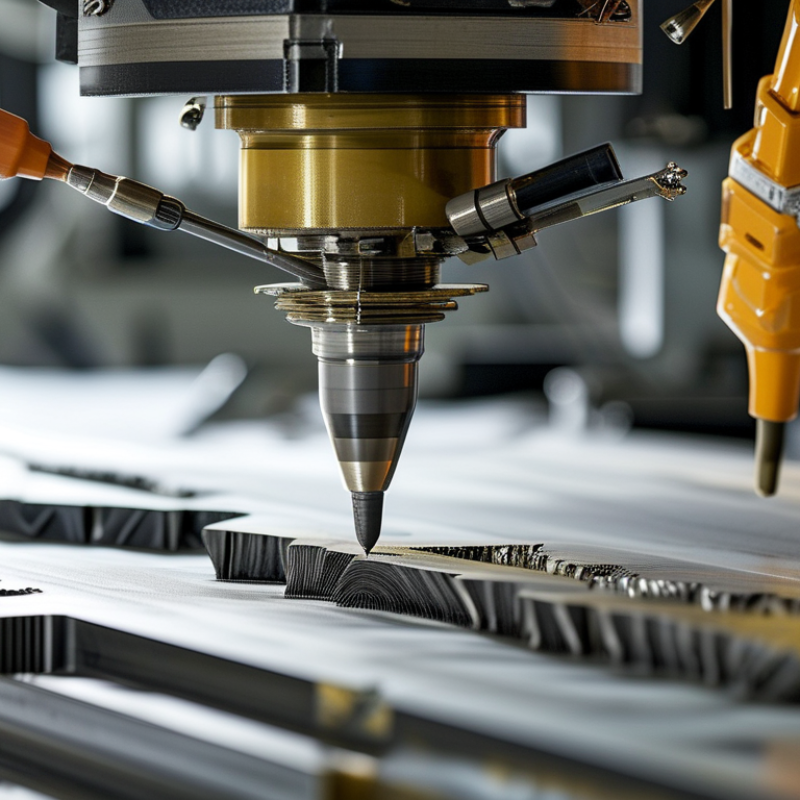
Understanding Wire EDM Technology and Its Applications
Wire Electrical Discharge Machining (EDM) represents a pivotal advancement in precision manufacturing. This technology utilizes a thin wire electrode to cut through metal, leveraging an electrical discharge process. The result is high accuracy and intricate shapes that are challenging to achieve with traditional methods. This capability has made wire EDM indispensable in industries like aerospace and automotive.
The applications of wire EDM are vast. It excels in creating complex parts, particularly in hardened materials. Companies often use it for mold making and tooling. The precision it offers reduces the need for costly rework, saving time and resources. However, the process is not without limitations. For example, it may have slower operational speeds compared to other methods. Operators need to account for this when designing workflow. There’s a learning curve involved as well, and inexperienced users might struggle to optimize the parameters effectively.
Choosing the right wire EDM machine involves consideration of various factors, including the type of projects you'll take on. Pay attention to machine specifications such as maximum workpiece size and wire diameter. Evaluate the control systems too; some offer better automation than others. Facility space and budget constraints also play roles in your decision. Ultimately, ensuring that your chosen machine aligns with your business needs is critical for maximizing output and efficiency.
Key Features to Look for in Wire EDM Machines
When choosing wire EDM machines, it's essential to focus on key features. Precision is often a primary concern. A machine that offers accurate cuts can enhance product quality. Look for machines with minimal tolerance levels. This feature ensures that even intricate designs are executed flawlessly.
Another important aspect is the machine's speed. Faster machining times can significantly boost productivity. However, higher speeds may also lead to compromised quality. Finding a balance is crucial. Check specifications for both speed and finish quality. Not all machines provide the same efficiency.
Tip: Always evaluate maintenance needs. Some machines may require frequent servicing, which can impact operations. Consider the availability of support and parts. Is the manufacturer reliable? This can save time and resources in the long run. Ultimately, the investment in a wire EDM machine should consider both performance and reliability. Reflect on your priorities before making a decision.
Evaluating Accuracy and Precision in EDM Processes
When evaluating accuracy and precision in Electric Discharge Machining (EDM) processes, several technical factors emerge as critical. The precision of an EDM machine plays a crucial role in manufacturing components with tight tolerances. Reports indicate that machines achieving a positioning accuracy of ±0.002 mm are essential for high-stakes industries. This level of accuracy ensures that parts are produced consistently, reducing the need for secondary processes.
Moreover, the gap between the electrode and the workpiece significantly impacts the final product's precision. A narrow spark gap can result in finer detail but may require more advanced control systems. Industry studies suggest that maintaining a gap of less than 50 microns often yields optimal results. However, consistently achieving this gap can be challenging, even for experienced operators.
Additionally, the machine’s pulse control settings can alter the surface finish and dimensional accuracy. Many manufacturers grapple with finding the right balance between material removal rate and surface quality. Reports indicate that optimizing pulse durations can lead to a 30% increase in effective machining without sacrificing precision. This optimization process highlights the need for continual reflection and adjustment in EDM operations to achieve the desired outcomes.
Assessing Maintenance and Support for Wire EDM Equipment
When choosing Wire EDM machines, one crucial factor is maintenance and support. The durability of these machines is essential for long-term productivity. A study from the International Journal of Advanced Manufacturing Technology emphasizes that over 20% of manufacturing downtime is linked to equipment failure. This highlights the importance of a reliable maintenance plan.
Regular maintenance checks are critical. They prevent unexpected breakdowns and extend the lifespan of the machine. A report by the National Institute of Standards and Technology suggests that routine maintenance can reduce operational costs by 30%. Support also involves timely access to parts and technical assistance. Evaluating a supplier’s support structure is as important as assessing the machine's performance specifications.
A lack of proper support can lead to costly delays. In some cases, manufacturers faced up to two weeks of downtime due to unavailability of parts. This data reveals the risks of choosing a provider without a robust support network. Being proactive can mitigate these issues. The right choices today can save time and money tomorrow.
Cost Considerations: Budgeting for Wire EDM Investments
When budgeting for Wire EDM machines, it's crucial to consider not just the initial purchase cost but the total cost of ownership. Industry research indicates that Wire EDM systems can range from $50,000 to over $500,000 depending on their capabilities and specifications. Maintenance costs can add another 10-15% annually to the operational budget. Inaccurate calculations can lead to unexpected financial strain.
In addition to upfront costs, assessing the long-term financial impact is vital. Operating costs for electricity, consumables, and labor should not be overlooked. For example, studies show that operating expenses for Wire EDM processes can account for 30% of the total budget. It's essential to analyze how downtime affects productivity and revenue. Investing in a more reliable machine might reduce repair costs and increase efficiency, even if the initial price is higher.
Creating a realistic budget allows for informed decision-making. Pricing structures can be difficult to navigate, especially with added features or custom needs. Always factor in additional training and software. A machine might be technically superior but involves hidden costs that could stretch your budget. Careful evaluation ensures your investment aligns with operational goals without overshooting financial limits.
Cost Considerations When Choosing Wire EDM Machines
FAQS
: Wire EDM uses a thin wire electrode to cut metal, utilizing an electrical discharge process.
It's widely used in aerospace and automotive for creating precise and intricate parts.
It offers high accuracy and can create complex shapes, minimizing the need for expensive rework.
Yes, it can operate more slowly than other methods and has a learning curve for new operators.
Consider project types, machine specifications, and control systems, aligning the choice with business needs.
Factor in initial costs, maintenance, operating expenses, and any training or software needs.
Prices can range from $50,000 to over $500,000, depending on capabilities and specifications.
Operating costs can make up 30% of the budget, including electricity, consumables, and labor.
Downtime can significantly impact productivity and revenue, affecting overall operational efficiency.
Additional features and custom needs may involve extra expenses that could strain the budget.
Conclusion
When selecting Wire EDM Machines, it is essential to understand the technology and its diverse applications in manufacturing. Key features such as cutting speed, programmable controls, and automation play a significant role in enhancing productivity. Evaluating the accuracy and precision of the EDM processes is crucial, as these factors directly impact the quality of the finished parts.
Additionally, assessing the maintenance and support for Wire EDM equipment can help ensure long-term reliability and performance. Finally, cost considerations should not be overlooked, as budgeting for these investments requires a thorough analysis of both immediate expenses and potential returns. Making informed decisions in these areas can significantly contribute to a successful machining operation.

Blog Tags: