0%

Choosing the right CNC Turning Centers is a production decision, not merely an equipment purchase. The machine must match material, part geometry, tolerance, batch size, and operator capability. A compact turning center may suit brass fittings, while a rigid, high-torque model is better for stainless-steel shafts. Small details matter. Chuck size matters.

Market data confirms why this choice deserves careful analysis. Grand View Research’s 2024 CNC machine market report identifies automation, precision manufacturing, and connected production as major growth drivers. Deloitte’s 2024 Smart Manufacturing and Operations Survey found that 86% of industrial leaders view smart manufacturing as an important competitiveness driver during the next five years. These findings support a practical point: modern CNC Turning Centers should be evaluated beyond spindle speed. Control integration, tool monitoring, energy use, and service response can influence long-term value.

The best machine is not always the fastest. Sometimes, it is the one that holds tolerance through a twelve-hour shift with fewer interruptions. Manufacturers should compare spindle power, maximum turning diameter, axis travel, live tooling, bar capacity, and thermal stability. Software compatibility deserves equal attention. A powerful machine with poor post-processor support can still create delays.

There is no universal winner.

Industry reports provide useful direction, but plant-specific evidence remains essential. Review sample parts, inspect finished surfaces, test cycle times, and ask for documented accuracy results. Also, examine the supplier’s installation record and spare-parts availability. This step is often underestimated. A careful selection process connects published data with real shop-floor experience, producing a decision that is measurable, defensible, and suited to future production demands.
How to Choose the Best CNC Turning Centers?

CNC Turning Centers: Definition, Functions, and Main Configurations

How to Choose the Best CNC Turning Centers?

A CNC turning center is a computer-controlled machine for producing round or rotational parts. The workpiece spins while cutting tools remove material. Typical operations include turning, facing, boring, threading, grooving, and drilling. Modern machines may also support milling through live tooling. The basic structure includes a spindle, chuck, turret, control system, and machine bed. Keep it practical.

Main configurations determine what the machine can produce. A two-axis center handles common shafts, pins, and bushings. A Y-axis model adds off-center milling and drilling. A sub-spindle can machine the opposite end without manual repositioning. Dual-spindle designs improve throughput, but they also require more setup knowledge. Bar feeders support long production runs, while robotic loading suits repeated part handling.

Choosing the best configuration starts with the part family, not the machine brochure. Check maximum diameter, turning length, spindle speed, motor torque, and tool capacity. Short parts may not need a sub-spindle. Complex parts may quickly expose the limits of a basic turret. Also examine control usability, chip evacuation, access for maintenance, and operator training. A larger machine is not automatically better. It can consume more floor space and create unnecessary energy and tooling costs. Real cutting trials remain valuable, because advertised capacity may not match stable production conditions.

Assessing Workpiece Requirements and Production Objectives

Choosing the best CNC turning center starts with the workpiece, not the machine catalog. Measure the largest diameter, overall length, material hardness, and required tolerances. A thin aluminum shaft needs different support from a heavy steel flange. Record the chuck size, bar diameter, tool positions, and access needed for drilling or threading. Small details matter.

Production objectives should guide the machine’s capacity. For varied prototypes, flexible tooling and quick setup may matter most. For repeated batches, stable cycle times, automatic part handling, and strong chip control can reduce labor. Check spindle speed, motor power, axis travel, and positioning accuracy against real production data. A machine with impressive specifications may still waste floor space or consume unnecessary energy. I have seen teams choose speed over rigidity, then struggle with vibration on long workpieces. That mistake is expensive, but avoidable.

Tips: Make a sample process sheet before comparing machines. Include material, cutting depth, cycle time, tolerance, and expected monthly volume. Ask whether operators can reach the work area safely and maintain it easily. Leave capacity for future work, but do not pay for features your process will never use. Test a representative part when possible. One trial can reveal poor chip evacuation, awkward tool access, or an unstable finish. Supplier claims deserve verification. Your own measurements should carry more weight.

Comparing Machine Specifications, Features, and Performance

Choosing a CNC turning center requires more than comparing spindle speed or purchase price. Start with the work envelope: maximum turning diameter, swing, distance between centers, and bar capacity. Match these figures to your largest recurring part, not a rare oversized job. A 12-inch chuck may look productive, yet a small bar opening can create costly remounting.

Cycle time matters. Compare spindle power curves, rapid-traverse speed, acceleration, and tool-change time under real cutting loads. Catalog values often describe ideal conditions.

For automation decisions, the International Federation of Robotics’ World Robotics 2024 report recorded 162 industrial robots per 10,000 manufacturing employees globally in 2023. This supports evaluating bar feeders, part catchers, probing, and robot interfaces early. However, automation cannot rescue poor chip control.

Test coolant delivery, chip evacuation, turret clearance, and maintenance access. Live tooling and a Y-axis may reduce setups, but they add cost, alignment demands, and possible thermal drift. I would request sample-part trials using the intended material and tooling.

Performance evidence should follow recognized measurement practice. ISO 230-2 provides methods for checking positioning accuracy and repeatability. Ask for test conditions, compensation status, and measured results, rather than accepting “high accuracy.”

Thermal stability deserves equal attention; spindle warm-up and coolant temperature can change bore size. In practice, a slower machine with stable geometry may outperform a faster model across an eight-hour shift.

That judgment is uncomfortable. It is also where many comparisons fail. Record cycle time, first-pass yield, energy use, and operator interventions during a pilot run. A spreadsheet cannot replace cutting metal.

Evaluating Accuracy, Automation, Maintenance, and Operator Needs

How to Choose the Best CNC Turning Centers?

Accuracy should be judged under real production conditions, not only from a brochure. Check repeatability after several hours of cutting, when heat changes the machine structure. Test a sample part in the material you actually use. Stainless steel may expose weaknesses that aluminum hides. Review spindle stability, positioning accuracy, and tool-life consistency. Small errors become expensive during long production runs.

Tips: Ask for a cutting trial with your own drawings and tooling. Measure critical diameters before and after thermal cycling. Also inspect the control interface. A fast machine is not useful if operators struggle to correct offsets. Automation should match your workflow, including bar feeding, tool monitoring, part collection, and chip removal. More automation is not always better. It can add setup complexity.

Maintenance access deserves equal attention. Open the service panels. Look for clear lubrication points, accessible filters, and simple chip-cleaning routes. Ask how often calibration and preventive inspections are required. No machine is maintenance-free. Operator needs can be overlooked when buyers focus on speed. Consider visibility, noise, training time, and safe access to the work area. A technically impressive center may still underperform with inexperienced staff. I would rather choose a slightly slower machine that operators understand and maintain reliably. That decision may not look perfect on paper, but production rarely follows the paper exactly.

How to Choose the Best CNC Turning Centers?

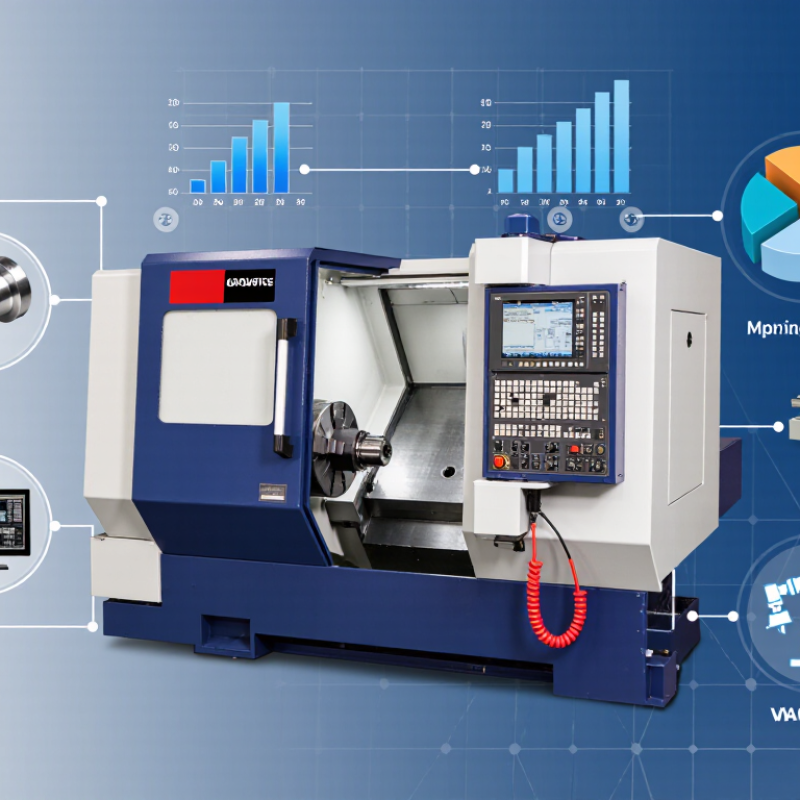
A practical weighted evaluation model for comparing CNC turning centers across accuracy, automation, maintenance, and operator needs. The percentages represent a balanced decision framework and should be adjusted to match your production goals.

Accuracy is critical for part consistency, while automation improves throughput and reduces setup time. Maintenance requirements affect long-term availability, and operator-focused features help reduce training time and production errors.

Selecting the Best CNC Turning Center for Long-Term Value

How to Choose the Best CNC Turning Centers?

Selecting a CNC turning center for long-term value requires more than comparing purchase prices. Evaluate the machine against your actual parts, materials, tolerances, and production volume. A rigid structure helps control vibration during heavy cuts. A stable spindle supports accuracy across long production runs. Check repeatability data, thermal control, chuck capacity, and tool-change speed before making a decision.

Long-term value also depends on serviceability. Ask how quickly technicians can provide support and how easily common components can be replaced. Review training options, control-system usability, energy consumption, coolant management, and chip removal. These details affect daily output. A lower-priced machine may become expensive when setup takes longer or maintenance interrupts production. Experienced machinists often inspect access panels and test the control interface. Small inconveniences become costly habits.

Tips: Request sample cuts using your hardest material. Measure surface finish, cycle time, and dimensional drift. Calculate total ownership cost over five years, including tooling, training, maintenance, and power. Do not trust a brochure alone. A higher specification does not always mean better value. Even careful buyers can misjudge future workloads, so leave practical room for expansion. No machine is perfect.

FAQS

What should I measure before choosing a CNC turning center?

Measure maximum diameter, total length, material hardness, tolerances, chuck size, and bar diameter. Small details matter.

How should production volume affect machine selection?

Prototype work needs flexible tooling and quick setup. Repeated batches need stable cycles, chip control, and reliable part handling.

Which machine specifications deserve the closest review?

Check turning diameter, swing, center distance, bar capacity, spindle power, axis travel, and positioning accuracy. Catalog figures can mislead.

Why is rigidity important for long workpieces?

A flexible machine may create vibration during heavy cuts. Long shafts can show poor surface finish and changing dimensions.

When are live tooling and a Y-axis useful?

They can reduce extra setups for drilling or milling. They also add cost, alignment demands, and possible thermal drift.

How can a sample-part trial improve the decision?

Test the real material and intended tooling. Check chip evacuation, tool access, cycle time, finish, and dimensional stability.

What automation features should a buyer consider?

Consider bar feeders, part catchers, probing, and robot interfaces. Automation helps, but poor chip control can still stop production.

How should long-term ownership cost be calculated?

Include tooling, training, maintenance, power, coolant, and operator time over five years. A cheaper machine may cost more later.

What service and maintenance details should be inspected?

Ask about technician response, replacement parts, access panels, coolant cleaning, and control-system training. Daily inconvenience becomes expensive.

Is the fastest machine always the best choice?

Not always. A slower machine with stable geometry may produce better results across an eight-hour shift. I might still misjudge future demand.

Conclusion

Choosing the right CNC Turning Centers begins with understanding how their definitions, functions, and configurations align with your manufacturing needs. Evaluate the types of components you produce, including their size, material, complexity, tolerances, and expected production volume. These workpiece requirements and production objectives will help determine whether you need a standard turning center, a multi-axis system, or a configuration with integrated milling and drilling capabilities.

A well-informed decision also requires comparing spindle power, speed, machine capacity, tooling options, control systems, accuracy, and productivity. Consider automation features, setup flexibility, ease of programming, maintenance requirements, operator training, and available technical support. The best CNC Turning Centers should deliver consistent performance while reducing downtime, simplifying operation, and supporting future production growth. By balancing initial investment with reliability, operating costs, efficiency, and long-term adaptability, manufacturers can select equipment that provides lasting value rather than focusing only on purchase price.

Clara

Clara

Clara is a dedicated marketing professional with a deep expertise in our company’s offerings. With a passion for innovation and a keen understanding of industry trends, she plays a vital role in crafting and updating our professional blog, where she shares insights that reflect her extensive......