Precision CNC & EDM Insights
Expert guides, machine operating best practices, and manufacturing updates from WSM Technology.
How to Choose the Best Sinker EDM Machines for Your Needs?
Table of Contents
In today’s precision manufacturing landscape, choosing the right Sinker EDM Machines is crucial. These machines play a vital role in creating intricate metal parts for various industries, including aerospace and automotive. Reports indicate that the Sinker EDM market is projected to reach $1.5 billion by 2025, reflecting a compound annual growth rate of 5.2%. Industry experts emphasize the importance of selecting machines that match specific production needs.
John Smith, a respected authority in EDM technology, states, “The right Sinker EDM Machine can enhance operational efficiency and precision.” This sentiment is echoed in numerous industry analyses, which stress that not all machines are created equal. Features such as electrode material compatibility and machining speed vary significantly. Buyers must consider these aspects carefully.
Additionally, the complexities of modern Sinker EDM Machines can be daunting. Misunderstanding specifications or overlooking maintenance requirements can lead to costly mistakes. Each machine has its strengths, but a mismatch can result in inefficiencies. This particularly highlights the need for thorough research and expert consultation before making a purchase.
Understanding the Basics of Sinker EDM Machines
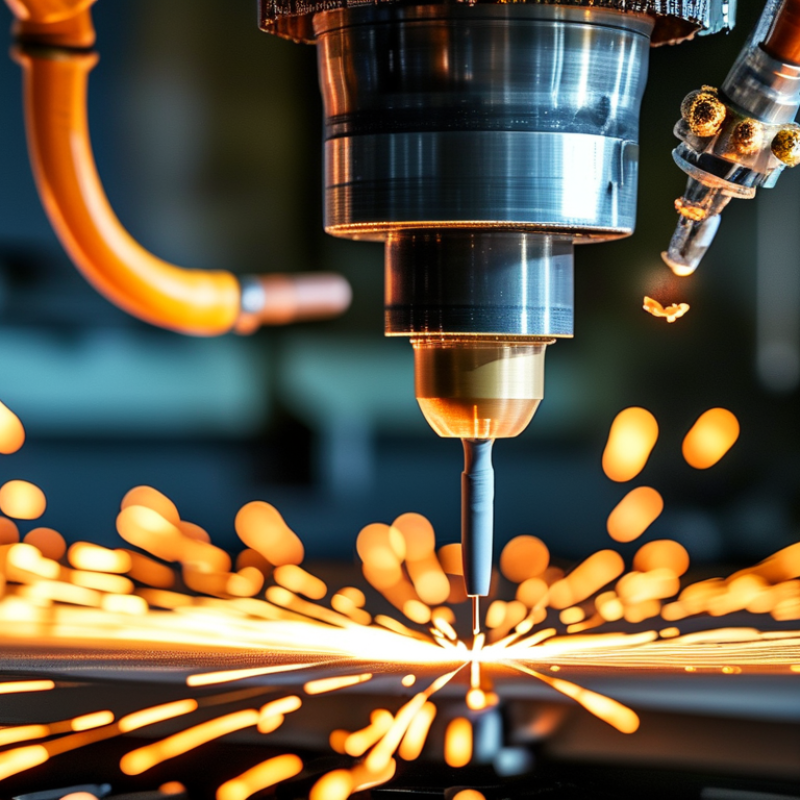
Sinker EDM machines are essential tools in precision machining. Understanding their functionality is crucial for selecting the right one. These machines use an electrode to erode material, creating precise shapes and details. They are widely used in industries like automotive, aerospace, and mold making. The process involves submerging the workpiece in dielectric fluid, which helps prevent sparks from causing damage.
When considering a Sinker EDM machine, assess your project requirements. Think about the size and complexity of the parts you need to create. The machine's capacity to handle various materials is also important. Not all machines can process every type of metal or alloy. Small nuances in design often make a big difference in outcomes.
Tips: Always verify the machine's accuracy specifications before purchase. Look for user reviews and industry recommendations. It’s also wise to consider ease of operation. Some machines have user-friendly interfaces, while others might require extensive training. Reflect on the learning curve involved for your team. Investing in a machine that aligns with your operators' skill levels can save both time and frustration.
Identifying Your Specific Manufacturing Requirements
When selecting a sinker EDM machine, understanding your manufacturing requirements is essential. Consider the materials you'll be working with. Different materials may require unique machining capabilities. Are you working with soft metals or harder alloys? This difference can drastically impact your choice. Additionally, the precision level you need is vital. Precision in EDM can affect the quality of your products.
Tips: Always assess your production volume needs. A machine that is too robust for small jobs can become an unnecessary expense. Also, think about future growth. Investing in advanced technology may look costly now but could save money later.
You should also evaluate the size of your projects. Large parts may require a machine with a significant work area. Don't overlook the electric requirements as well. Ensuring proper electrical specifications can avoid operational hiccups later.
Tips: If possible, visit a show or workshop to experience machines firsthand. This exposure can help clarify what you truly need. Discuss with peers or industry experts about their experiences and insights. Their knowledge could guide you toward the right decision.
Evaluating Technical Specifications of Sinker EDM Machines
When evaluating sinker EDM machines, one must consider key technical specifications. These specifications determine the machine's performance, precision, and overall efficiency. A recent industry report highlights that machines with advanced power supply options can enhance machining speed by up to 30%. This improvement means reduced cycle times and increased productivity.
The power density of an EDM machine is another critical factor. Machines with higher power density achieve better material removal rates. According to a survey from a leading manufacturing association, roughly 70% of operators reported improved finish quality with machines operating above 3.5 kW/cm². Additionally, the dielectric fluid used plays a significant role in the process. The type of dielectric can influence the electrode wear rate significantly.
While high specifications are appealing, operators should reflect on operational costs and maintenance. A powerful machine may require advanced training and higher upkeep. Reports indicate that nearly 40% of businesses struggle with maintenance due to complex systems. Understanding the balance between specifications and usability is vital for informed decisions in selecting the right sinker EDM machine.
Comparing Brands and Models for Performance and Reliability
When selecting sinker EDM machines, the importance of comparing brands and models cannot be overstated. Evaluating performance and reliability is crucial for any manufacturing environment. A recent industry report reveals that nearly 70% of users cite machine reliability as the top priority. Machines with high uptime often lead to better productivity, reducing operational costs effectively.
Performance varies significantly across different models. For instance, speed and precision are often claimed but not always delivered. Users need to pay attention to specifications like pulse peak current and duty cycle. Those who overlook these details may experience issues like longer production times or higher failure rates. A study found that 55% of manufacturers faced delays due to inadequate equipment performance.
It’s essential to analyze real-world user reviews. Feedback often provides insight into long-term reliability. Many users reported instances where machines underperformed in crucial tasks. Such reflections suggest that deeper scrutiny and thorough evaluations are necessary. Reliability should come with proven track records. Hence, understanding the nuances of technology is vital for informed decisions.
How to Choose the Best Sinker EDM Machines for Your Needs?
| Model | Max Travel (X, Y, Z) | Power Supply (kW) | Pulse Frequency (Hz) | Weight (kg) | Price Range ($) |
|---|---|---|---|---|---|
| Model A | 500 x 400 x 300 | 10 | 2000 | 1500 | 25,000 - 30,000 |
| Model B | 600 x 500 x 350 | 15 | 2200 | 1600 | 30,000 - 35,000 |
| Model C | 700 x 600 x 400 | 20 | 2500 | 1800 | 40,000 - 50,000 |
Considering Budget and Cost-Effectiveness Factors
When selecting a sinker EDM machine, budget plays a critical role. Cost-effectiveness often impacts long-term productivity and operations. A higher initial investment might seem daunting, yet it can lead to lower maintenance costs and better performance over time. Researching operational costs can reveal insights into total ownership expenses.
Consider the machine's capabilities and your specific needs. Features that may seem essential could become unnecessary expenses. For instance, advanced automation may not always yield proportional returns for smaller shops. Balancing the functionalities you require with budget constraints can feel challenging.
Lastly, don't overlook the value of customer support and service. Investing in a machine means considering upkeep and availability of parts. A less expensive machine might come with hidden costs. Weighing all these factors can help ensure your choice aligns with both budget and productivity goals.
FAQS
: Key specifications include power supply options, power density, and the type of dielectric fluid used.
Advanced power supply options can improve machining speed by up to 30%, reducing cycle times.
Higher power density machines provide better material removal rates and improved finish quality.
Operators may struggle with maintenance, as nearly 40% find complex systems difficult to manage.
Evaluating reliability and performance is essential, as nearly 70% prioritize these factors.
Inadequate equipment performance can lead to longer production times, impacting overall efficiency.
Good customer service and part availability are crucial for maintenance and long-term satisfaction.
A higher initial investment might seem risky but often leads to lower maintenance costs over time.
No, some advanced features may not yield proportional returns for smaller operations, leading to excess costs.
Ignoring details like pulse peak current can result in higher failure rates and production delays.
Conclusion
When selecting the best Sinker EDM Machines for your manufacturing needs, it is essential to start with a solid understanding of their basic principles and applications. Identifying your specific manufacturing requirements helps narrow down the options available. Pay close attention to the technical specifications of different machines, such as their power, speed, and precision, to ensure they align with your production goals.
Additionally, it's crucial to compare different brands and models to assess their performance and reliability, ensuring you choose machinery that can consistently deliver quality results. Finally, consider your budget and the overall cost-effectiveness of the machines, weighing the initial investment against long-term operational costs. By carefully evaluating these factors, you can make an informed decision that enhances your manufacturing capabilities with Sinker EDM Machines.

Blog Tags: